
How to Choose the Perfect Mid-Century Dining Table
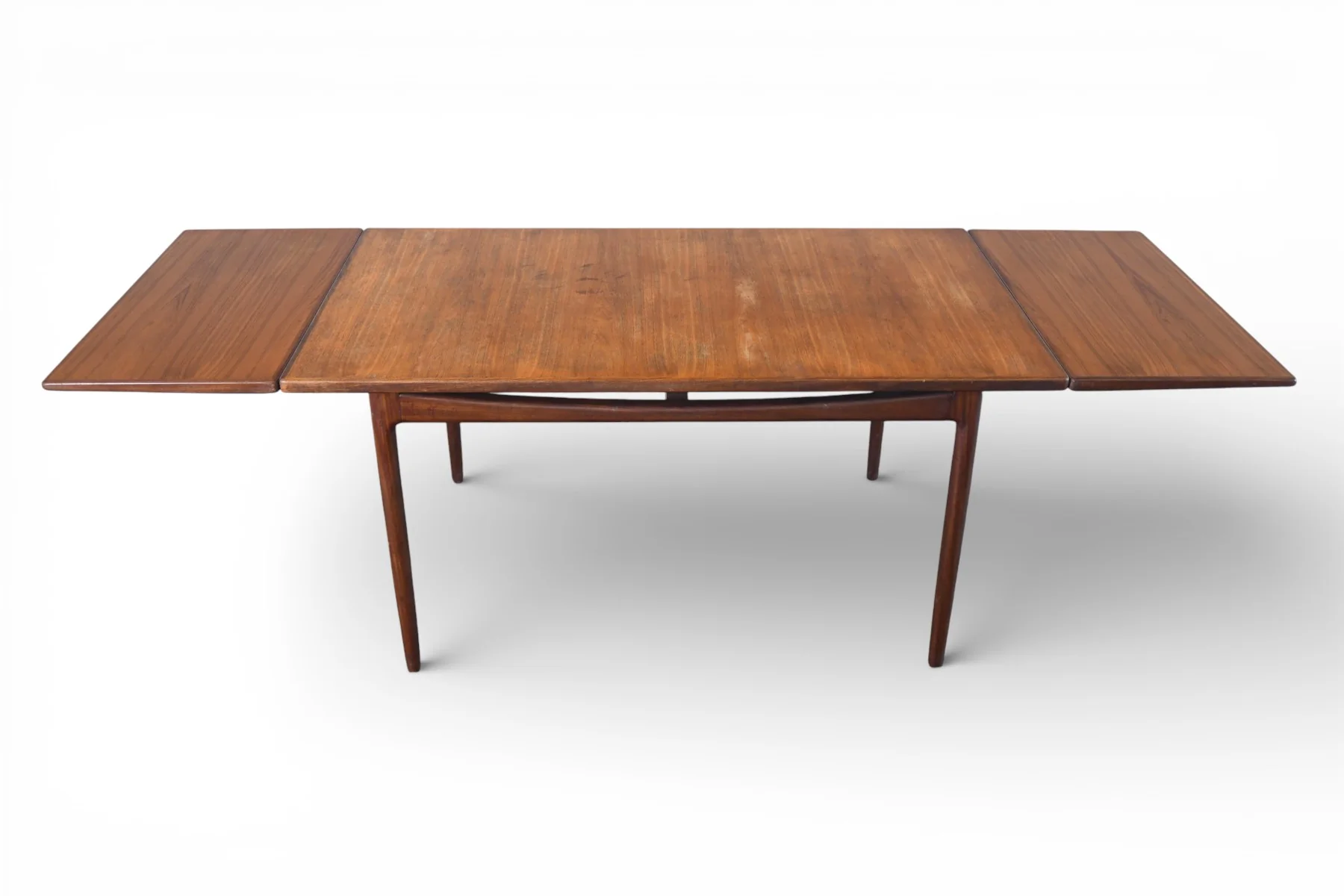
A dining table does more than hold plates and glasses. It sets the tone for the entire room and often becomes the piece everyone gathers around for years, which is why choosing the right one means thinking about room dimensions, seating needs, proportions, materials, and personal style all at once. Vintage European and Scandinavian dining tables offer a distinctive way to bring character into a home, giving a dining room a refined, collected feel that newer furniture often struggles to match.
Start With Your Dining Room Dimensions
Before you fall in love with a particular table, take the time to measure the space it will live in.
A table needs enough room around it for chairs to pull out and for people to walk by comfortably, so the floor space matters just as much as the table itself. Size also affects how balanced the room feels overall.
A table that is too small can leave a room looking empty, while one that is too large can make even a spacious room feel tight and closed in. Smaller dining areas tend to suit a more compact table, while larger rooms have the flexibility to hold something with a bit more presence.
Choose the Right Table Shape
Rectangular Tables
Rectangular tables work well in longer dining rooms and tend to suit larger gatherings comfortably. They are a familiar shape for most dining layouts, which makes them a versatile choice for many homes. This familiarity also means they tend to pair easily with a wide range of chair styles and room layouts.
Round Tables
A round table creates a more intimate feel, since everyone seated is naturally facing one another. This shape also tends to work nicely in compact or square rooms, where a rectangular table might feel awkward.
Oval Tables
An oval table blends the length of a rectangular design with softer, rounded edges. Those curved ends can make it easier to move around the table, especially in rooms where traffic flows through the dining area.
Square Tables
Square tables suit rooms with proportions that match. In the right space, this shape creates a balanced, symmetrical look that feels intentional rather than accidental, giving the room a settled, orderly quality.
Consider How Many People You Need to Seat
Think about how many people typically sit down for an everyday meal, then consider how often the space gets used for entertaining larger groups.
An extension table can be a practical option if your seating needs change depending on the occasion. It is also worth remembering that squeezing more chairs around a table than it was designed for tends to make the whole space feel cramped rather than welcoming.
Pay Attention to Table Proportions
Proportions involve more than just length and width. Tabletop thickness, leg placement, overall height, and visual weight all shape how a table feels in a room. These details matter even more with a vintage piece, since it needs to sit comfortably alongside furniture from other eras. Pedestal bases and tapered legs, both common in mid-century design, can also change how the table reads within the room, sometimes making it feel lighter or more sculptural than its actual size would suggest.
Select Materials That Suit Your Interior
Vintage dining tables commonly appear in solid wood, though veneer and mixed-material construction show up often too, and each brings a different feel to a room.
Wood tone plays a big role in setting the mood, whether that means something warm and golden or something deeper and more dramatic. Natural grain adds character in its own right, and gentle signs of age contribute something newer furniture simply cannot replicate. When choosing a material, think about how it will sit alongside your existing furnishings rather than competing with them for attention.
Look at the Table's Details and Craftsmanship
Joinery, hardware, edges, legs, and finish all say something about how a table was made. A well-crafted vintage piece tends to feel solid and considered, even decades after it was built.
It helps to look past the surface finish and consider the construction underneath, since that is often where quality truly shows.
Hand-selected European furniture brings this kind of craftsmanship and design integrity into a home, offering pieces that were built to be used and appreciated over time rather than replaced after a few short years.
Think About Your Chairs and Other Furniture
Chair height and proportions matter just as much as the table itself, so it helps to consider how they will work together before making a decision.
Vintage tables can pair nicely with contemporary seating or with chairs from another vintage era, since a room does not need every piece to match perfectly. Coordinating wood tones and upholstery creates a sense of harmony without forcing everything to look identical. It is also worth thinking about how the table relates to nearby cabinets and lighting, along with any rugs that anchor the seating area.
Consider Your Overall Dining Room Style
The dining table often sets the visual direction for the entire room, so it helps to choose one that complements your home's architecture and existing décor.
A cohesive room does not require every piece of furniture to come from the same period or collection. Rooms often feel more interesting when the furniture has been gathered over time rather than bought all at once.
Authentic Scandinavian and European vintage pieces tend to suit interiors that feel curated in this way.
Decide Between a Statement Piece and a More Versatile Design
Some tables are meant to be the focal point of a room, while others provide a quieter foundation for everything else. Distinctive shapes and unusual bases tend to create that statement feel, and a rich wood tone can add even more presence to the piece. A simpler design, by comparison, can adapt more easily as the rest of the room changes over the years.
Evaluate a Vintage Table Before You Buy
Before making a final decision, check the dimensions carefully, including height and any extension measurements if the table has them.
Take a close look at the tabletop, legs, joints, and hardware to get a sense of the overall condition. It also helps to ask about restoration work when that information is available. Repairs and provenance are worth asking about too, since knowing a piece's history adds another layer of confidence to the purchase.
Buying from a knowledgeable source matters a great deal when investing in a high-end vintage piece, since expertise makes it much easier to understand what you are actually bringing home.
Consider How the Table Will Age With Your Space
A great dining table should hold up well beyond current trends.
Versatility and timeless proportions both play a part in whether a piece continues to feel right as a room evolves, and durability matters just as much over the long run. A thoughtfully chosen vintage table often becomes more than furniture. It becomes a long-term anchor for the space, growing more meaningful the longer it stays in a home.
Conclusion
Choosing the right dining table comes down to a handful of considerations working together, and the best table is one that works practically for daily life while also adding character and visual distinction to the space. If you would like guidance finding a piece that fits your home, reach out to our team to explore our curated collection.
Frequently Asked Questions
How do I know what size dining table will fit my room?
Measuring the space ahead of time, including room for chairs to move freely, gives you a clear sense of what size will feel comfortable rather than crowded. It also helps to picture how people will walk around the table during a meal, not just where the table itself will sit.
Are vintage dining tables sturdy enough for everyday use?
Well-made vintage tables were often built with solid construction methods that hold up beautifully with normal daily use.
Can I mix a vintage table with modern chairs?
Yes. Pairing a vintage table with contemporary seating is a popular way to create a room that feels collected rather than overly matched, and it often makes both the table and the chairs stand out more on their own.
What should I look for when buying a vintage table?
Construction details and overall condition are a good place to start. From there, any available history on the piece can offer additional peace of mind.
Does a dining table need to match the rest of my furniture?
No, a well-chosen table can stand on its own and still feel cohesive with furniture from different periods or styles.


Please upload banner from store admin blog pages