Mid-Century vs Mid-Century Modern Furniture
When decorating a home, you might hear the terms "mid-century" and "mid-century modern" used interchangeably. However, these terms actually refer to slightly different concepts in the interior design world.
Understanding this distinction can help you make informed decisions when curating your personal space. If you love clean lines and vintage aesthetics, knowing what to look for is essential.
Exploring the Broader Mid-Century Era
The mid-century era generally refers to the middle decades of the 20th century. This specific time frame spans roughly from the mid-1930s through the mid-1960s. It was a time of massive global change and rapidly evolving manufacturing capabilities. Following the Great Depression and World War II, families across the world were eager to rebuild and completely reimagine their everyday living spaces.
During this period, many different design styles existed simultaneously across the globe. While some visionary furniture designers were actively pushing boundaries, others continued to produce traditional, heavier pieces. Many everyday homeowners still favored ornate, heavily carved wooden furniture featuring dark stains and complex floral patterns. These conventional pieces represent a direct continuation of older, more formal design preferences.
Therefore, the term mid-century simply describes the time period in which an item was manufactured, regardless of its specific aesthetic. It serves as an umbrella term encompassing everything made during these transformative decades, from bulky antique reproductions to the earliest experimental modern prototypes.
Defining Mid-Century Modern Furniture
In contrast, mid-century modern refers to a very specific design movement. This style grew out of the early 20th-century modernist movement and gained massive popularity after World War II. The aesthetic is characterized by clean lines and organic curves, and it puts a strong emphasis on functionality. Designers of this era strongly believed that furniture should be both practical and beautiful. They frequently experimented with new materials and innovative manufacturing techniques.
Comparing the Two Styles
When you look closely at mid-century vs mid-century modern furniture, the differences quickly become clear. A piece can be from the mid-century era without being modern in its design.
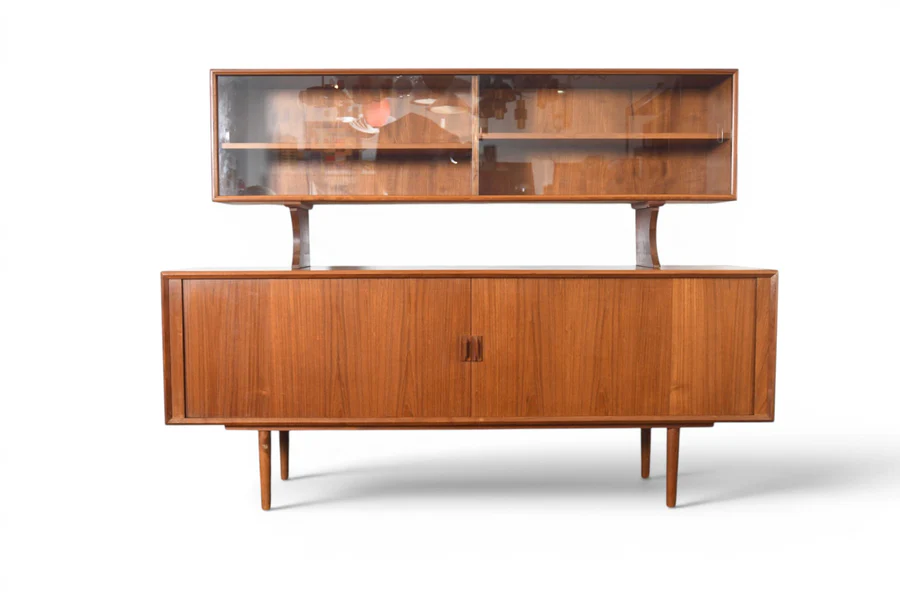
For example, a bulky, ornate wooden dresser from 1955 is certainly a mid-century piece. However, a sleek, minimalist teak credenza from the exact same year is a true mid-century modern piece. The modern movement focused exclusively on stripping away unnecessary ornamentation.
While a standard mid-century item might feature dark, heavy woods and complex hardware, a modern piece relies on exposed legs and smooth, unadorned surfaces to create visual lightness. This intentional lack of clutter allowed modernist designs to feel incredibly fresh and forward-thinking, completely separating them from the conventional furniture of their own time.
The Influence of the Bauhaus Movement
To fully appreciate this aesthetic, it helps to understand its origins. The roots of the modern movement can be traced back to the German Bauhaus school of design.
The Bauhaus philosophy centered on the idea that form should always follow function. This principle heavily influenced the designers who later shaped the mid-century modern aesthetic. They prioritized usability and clean geometry over the elaborate decorations favored by previous generations.
The Importance of Natural Materials
One of the defining features of the mid-century modern aesthetic is the use of high-quality materials. Designers frequently utilized beautiful solid woods like teak, walnut, oak, and rosewood. These natural materials were often thoughtfully paired with contrasting textures like metal, glass, or vinyl.
The goal was to highlight the natural beauty of the wood grain while maintaining a lightweight, uncluttered appearance. This unyielding dedication to quality is why so many pieces survive today.
Iconic Seating and Mid-Century Modern Sofas
Seating is arguably one of the best ways to introduce this aesthetic into your home. The seating designs from this era remain incredibly influential in contemporary interior design. If you want to create a stunning focal point in your living room, consider exploring authentic mid-century modern sofas. These pieces typically feature low profiles, tapered legs, and tailored upholstery that offer both unparalleled comfort and timeless elegance.
Unlike the overstuffed couches of previous decades, these vintage sofas prioritize visual lightness. Exposed wooden frames, often crafted from solid walnut or teak, cradle the upholstered cushions to create a striking architectural look. This clever design strategy keeps your floor visible, which instantly makes smaller living rooms feel much more spacious.
When selecting a vintage sofa, pay attention to the geometric shapes of the armrests and backrests. Many designers incorporated subtle curves or sharp angles to provide ergonomic support without adding unnecessary bulk.
Functionality and the Midcentury Modern Bench
Another hallmark of this design movement is the intense focus on practical, multi-functional furniture. Spaces like hallways and bedrooms often benefit immensely from a versatile seating option.
Adding a classic mid-century modern bench to your space provides a convenient place to sit while putting on shoes. A great example of this functionality is the Solid Oak Telephone Entry Bench by Henry Kjærnulf. This specific piece beautifully combines comfortable seating with practical surface space.
Beyond the entryway, these benches offer incredible versatility throughout your entire home. Placing a sleek, slatted wood bench at the foot of your bed provides an elegant surface for laying out clothes or extra blankets. It serves as a beautiful anchor for your bedroom decor without obstructing walkways.
You can also utilize these benches as alternative seating at a dining table. This creates a relaxed, communal dining experience while allowing you to easily tuck the bench away when not in use. Whether featuring a woven paper cord seat or a plush upholstered cushion, these pieces deliver maximum utility in a minimalist footprint.
The Profound Scandinavian Influence
You cannot discuss this era without acknowledging the massive impact of Scandinavian design. Scandinavian designers played a crucial role in shaping the modern movement worldwide. Furniture from this period is renowned for its exceptional craftsmanship and warm, minimalist aesthetic.
Unlike the colder, industrial feel of some early modernist pieces that relied heavily on steel and glass, Scandinavian designers strongly preferred natural materials. They masterfully combined generations of traditional cabinetmaking techniques with fresh, innovative shapes. This thoughtful approach brought a unique, organic warmth into the home.
Beyond just visual appeal, the ultimate focus was on creating accessible, democratic designs that improved everyday life for absolutely everyone. Masters of this style frequently utilized materials like solid teak and leather to craft seating and storage solutions that were highly functional and incredibly durable.
Because these items were carefully built to last for several generations, this specific regional influence remains highly sought after by modern vintage collectors and contemporary homeowners alike today.
Integrating Vintage Pieces Into Contemporary Homes
One of the greatest strengths of this design style is its incredible versatility. You do not need to live in a house built in 1950 to appreciate these vintage pieces.
Because the designs are inherently minimalist, they blend seamlessly with a wide variety of interior styles. Whether your home is bohemian or contemporary, a well-chosen vintage piece can elevate the entire room. The key is simply to let the furniture breathe.
Mixing Eras and Layering Textures
When incorporating vintage furniture into your home, do not be afraid to mix and match. Pairing an authentic teak dining table with modern, upholstered chairs creates a dynamic and interesting space. To further enhance this blend, introduce contemporary lighting fixtures or metallic accents like matte black and brushed brass. These modern elements contrast beautifully with the warm, rich tones of vintage wood. This creates a highly curated look that reflects your unique personal style rather than a strict period replica.
Layering different textures also adds incredible warmth to the room. Combine sleek wooden surfaces with plush textiles and vibrant artwork. Try adding tactile fabrics like velvet or soft bouclé to your seating arrangements to soften the structured wooden frames. This approach prevents the space from looking like a museum and ensures it feels lived-in and welcoming.
A well-balanced room celebrates the history of your vintage items while keeping the overall atmosphere fresh and firmly rooted in the present day.
Identifying Authentic Vintage Furniture
As the popularity of this aesthetic has surged, so has the market for cheap reproductions. If you are looking for true value, investing in authentic vintage furniture is always the best choice.
Original pieces were built with superior craftsmanship and materials that are often difficult to replicate today. Look for manufacturer marks, signs of age, and specific construction techniques like dovetail joints. Authentic pieces also hold their value remarkably well over time.
The Financial and Environmental Benefits
Choosing authentic vintage furniture is not just a stylistic choice; it is a remarkably smart financial investment. Unlike mass-produced modern furniture that depreciates the moment you bring it home, original mid-century modern pieces often appreciate in value over time. Because these original items are no longer in production, the available supply is constantly shrinking. High-quality craftsmanship and solid wood construction mean these vintage pieces easily outlast cheap, contemporary alternatives. As demand for authentic design continues to rise, your vintage furniture becomes a functional asset that holds its worth.
Additionally, buying vintage is an excellent way to practice environmental sustainability. By giving a second life to an existing piece, you help reduce the overwhelming demand for newly manufactured goods. This simple, everyday decision keeps perfectly usable, beautiful furniture out of local landfills.
Shopping for vintage items also significantly lowers your household's carbon footprint. It prevents the further deforestation required to harvest new timber and cuts down on the heavy emissions associated with global factory production and international shipping. It is a highly stylish choice that directly benefits the health of our planet.
Preserving and Caring for Your Pieces
Once you bring a vintage piece into your home, proper care is absolutely essential. Fortunately, maintaining these high-quality items is relatively straightforward.
Keep wooden furniture away from direct sunlight and extreme temperature changes to prevent fading and cracking. Regularly dust your pieces and occasionally apply a high-quality wood oil to nourish the timber. With just a little attention, your furniture will maintain its stunning appearance for generations to come.
Find Your Perfect Vintage Piece Today
At Mid Century Møbler, we are passionate about helping you find the perfect authentic pieces for your home. We frequently travel across Scandinavia and Europe to hand-select high-end vintage modern furniture.
Whether you are searching for a statement sofa or a beautiful storage solution, our carefully curated collection has something for everyone. We take immense pride in offering pieces that combine incredible history with enduring style for all our clients.
Explore our online inventory or visit our Berkeley showroom to discover the beauty of authentic vintage design. Contact us today, and let us help you transform your living space with truly timeless furniture.
FAQS
What is the main difference between mid-century and mid-century modern furniture?
The term "mid-century" simply refers to the time period when a piece was built, typically between the 1930s and 1960s. In contrast, mid-century modern is a specific design movement from that era that focuses on clean lines and minimalism.
Is all furniture built in the 1950s considered mid-century modern?
No, it is not. While any piece manufactured in the 1950s belongs to the mid-century era, it may still feature a heavy or traditional design. A piece is only considered mid-century modern if it showcases the sleek, uncluttered aesthetic of the modernist movement that was popular in that era.
What materials are typically used in mid-century modern furniture?
Designers of this movement heavily favored natural, solid woods like teak, walnut, oak, and rosewood. These high-quality woods were often paired with contrasting textures like glass and metal.
Can I mix vintage mid-century modern furniture with contemporary decor?
Absolutely. The inherent minimalism of mid-century modern pieces makes them incredibly versatile. You can easily pair them with modern decor and different textures to create a warm, layered space in your home.
Why should I choose authentic vintage furniture over modern reproductions?
Authentic vintage pieces were built with superior craftsmanship and high-quality materials that are very difficult to replicate today. Original items hold their value remarkably well and often appreciate over time, making them a smart financial and environmentally friendly investment