Choosing the Right Mid-Century Modern Lighting
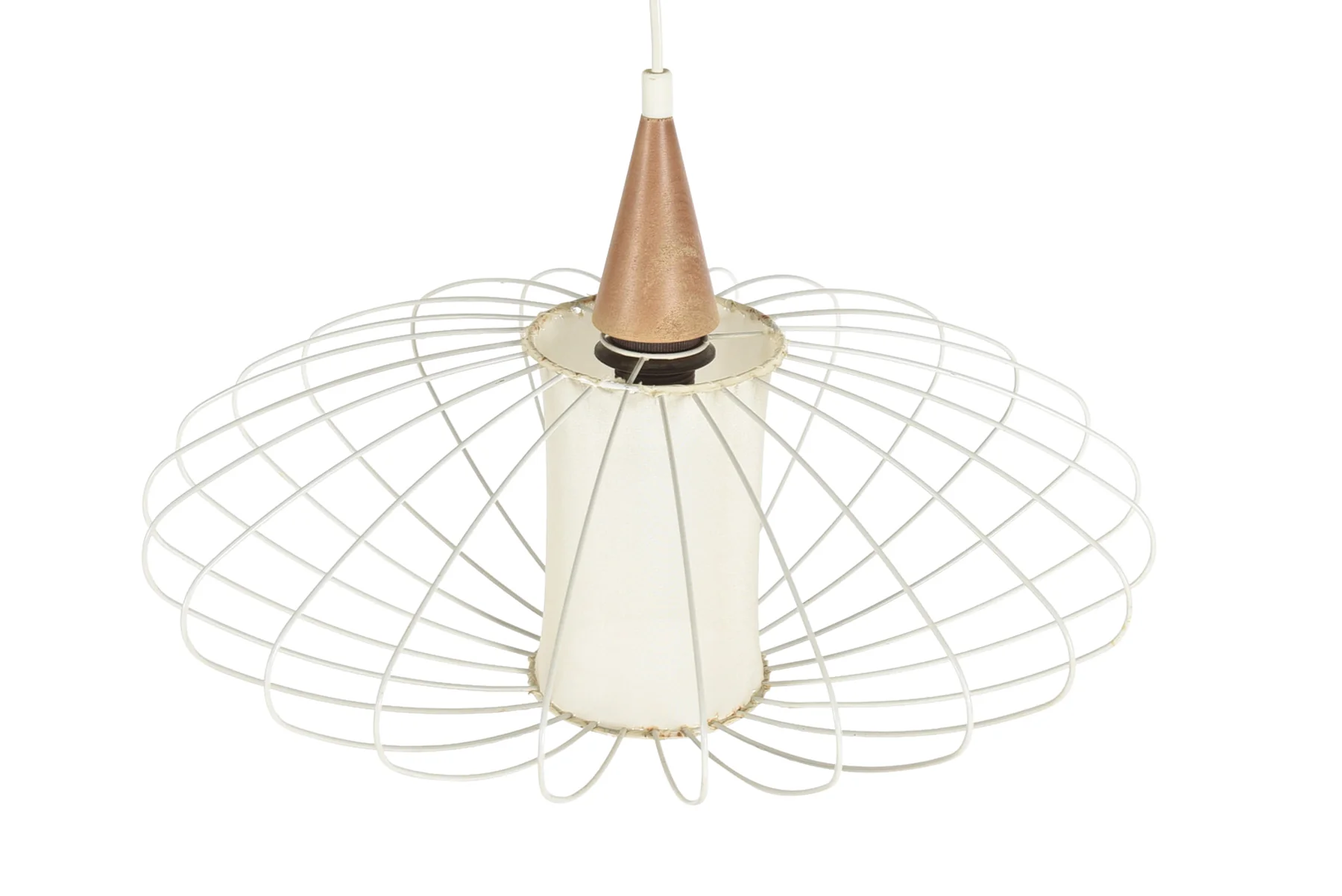
Lighting plays a bigger role in a mid-century modern room than most people realize, often becoming a design feature on its own rather than just a practical necessity. Some fixtures hang above and set the tone for the whole room, while others sit closer to eye level and add a softer, more personal kind of glow.
Knowing what each type offers makes it easier to choose the right one for your room and the way you actually use the space.
Choose a Mid-Century Modern Pendant Lamp
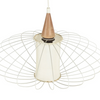
A pendant lamp hangs from the ceiling and works as both a light source and a visual anchor for the room below it. Because it sits at eye level for anyone entering the room, it often ends up doing more visual work than people expect from a single fixture. Pendants tend to shine in spots where people naturally look up or gather, such as above a dining table or over a kitchen island. An entryway can work well too, especially when the ceiling is high enough for the fixture to hang comfortably.
Before choosing a size, consider the room's proportions and ceiling height, since a fixture that feels right in a small hallway might feel out of place in a room with taller ceilings. A little extra thought at this stage can save you from having to swap the fixture out later.
Shape and material both play a big part in how a pendant reads within a room, and the finish adds another layer on top of that. A rounded glass globe feels soft and understated, while a sculptural metal shade can feel bolder and more architectural. The goal is usually to choose a pendant that complements the furniture underneath it rather than competing with it, so the whole room feels balanced instead of crowded.
Choose a Mid-Century Modern Table Lamp
Table lamps are some of the most flexible lighting pieces in a home, since they can sit almost anywhere a surface allows. Their smaller scale also makes them an easy way to test out a new style without committing to a bigger fixture.
A nightstand, side table, desk, or console each calls for a slightly different lamp scale. A lamp that towers over a narrow side table can feel unsteady, while one that is too small on a wide console can get lost.
Thinking about the size of the surface and nearby furniture helps you choose a lamp that feels proportional rather than an afterthought, and it usually takes just a glance to tell when the balance feels off.
Beyond size, the shade and base both shape the overall silhouette and personality of a table lamp. A tapered wooden base paired with a simple drum shade often reads as classic and calm, while a more sculptural ceramic or metal base can act almost like a piece of art. A well-chosen table lamp adds warmth to smaller areas and can carry a room's style even when the lamp itself is not turned on. In many rooms, it ends up doing double duty as both a light source and a small piece of décor that catches the eye.
Choose a Mid-Century Modern Floor Lamp
Floor lamps are worth considering whenever a space calls for light without giving up any surface area. A floor lamp works especially well beside a sofa or a lounge chair, giving a reading nook its own pocket of focused light without needing a side table underneath it.
Before settling on one, consider its height and footprint related to the surrounding furniture and the available open floor space nearby. Choosing the right size helps it fit naturally into the room's flow. This placement can also free up a side table for other uses, such as holding a drink or a stack of books.
Because floor lamps stand at eye level, their shape tends to draw more attention than a table lamp's. An angled arc lamp or one with a slender tripod base can become a real statement piece in a living room. At the same time, a floor lamp offers useful illumination for reading or relaxing without competing for table space, making it a practical option even in a room that already feels a little full.
Find the Right Lamp Type for Your Space
Choosing between an overhead fixture and a lamp on a surface often comes down to where the light is needed and how the room is already furnished. A dining area usually calls for a pendant, while a bedroom tends to benefit more from a table lamp within easy reach of the bed. A living room often works well with a floor lamp beside the seating, especially when there is no side table nearby to hold one instead.
Existing furniture can guide this decision too, since an empty corner near a chair may ask for a floor lamp while a bare console table might need a table lamp to feel complete. It also helps to decide whether the lighting should sit quietly in the background or serve as a visual centerpiece. None of these lamp types need to match perfectly to work together. A room that blends a sculptural pendant with a simpler table lamp, or pairs mid-century pieces with Scandinavian furniture, can still feel cohesive as long as the overall tone stays consistent.
Conclusion
The right lighting choice depends on the room, the furniture already in place, and how the space gets used day to day. An overhead fixture draws the eye upward, while a lamp on a surface or the floor brings a softer, more personal kind of light. Thoughtfully chosen lighting can highlight the clean lines and character that make mid-century modern interiors so appealing.
Ready to find lighting that fits your space? Get in touch with our team.
FAQS
What makes a lamp mid-century modern?
These lamps usually feature clean lines and simple geometric shapes, often built from natural materials like wood or brass. The overall look tends to favor function alongside good design, rather than heavy ornamentation, which is part of why the style has stayed popular for so long.
How do I choose the right size pendant lamp?
Look at the size of the room and the furniture below it, and choose a fixture that feels proportional to both rather than one that overwhelms the space.
Where should I place a mid-century modern floor lamp?
A spot near a sofa or a lounge chair usually works well, since it gives that seating area its own dedicated light. A quiet reading corner is another natural fit, especially if there is no table nearby to hold a lamp instead.
Can I mix pendant, table, and floor lamps in one room?
Yes, mixing lamp types is common and can add depth to a room. As long as the shapes or finishes share a similar overall tone, the different pieces tend to feel like they belong together rather than clashing.